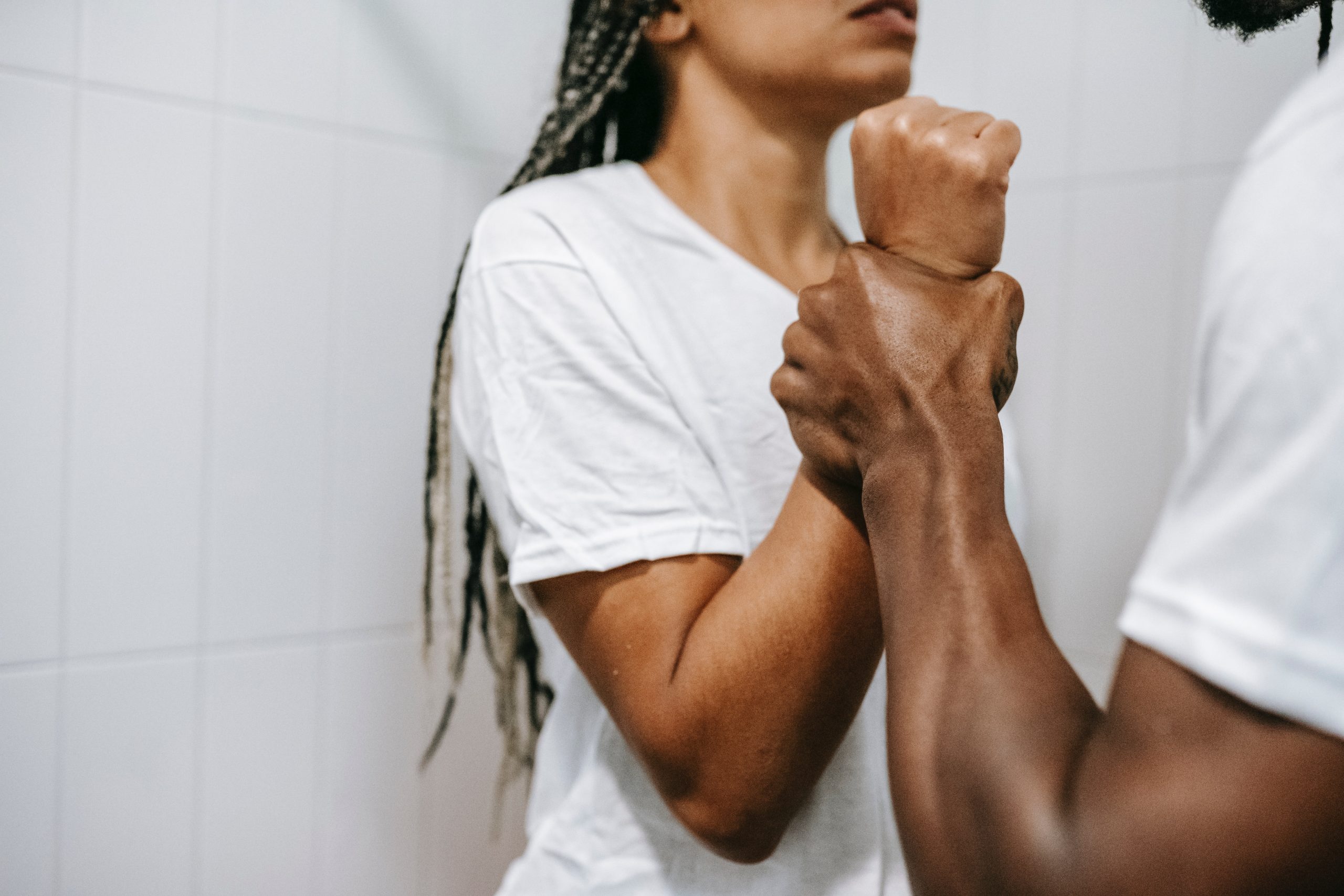
DOMESTIC VIOLENCE: How an Abusive family affects your mental health
Many people see domestic violence as a rare case, one to be seen in the evening news. Most times, they don’t even realize they are victims. But some have experienced or witnessed it firsthand, but it was too late by that time. The damage was already done.
This article aims to raise the awareness level of domestic violence and its effect. Let’s start by defining it.
What is Domestic violence?
Domestic violence is a pattern of behavior in a relationship where one person takes advantage of another to gain power or control. This may sound too technical, but don’t worry, I will explain. There are three devices a violator uses; manipulation, coercion, or force. However the act can happen in many ways, but the most common ones are:
- Physical
- Sexual
- Spiritual
- Financial
- Or Psychological
For example, we’ve seen cases of a step-parent manipulating a child spiritually by asking them for a favor by telling them they will be rewarded in heaven. At times the violence happens in multiple ways… in this case, the favor was of a sexual nature.
Unfortunately, many never know they are being violated until it gets physical. In marriage, a spouse finds it hard even to admit to themselves that they are being abused. And even when they know it’s abuse, they quickly make excuses for it.
But by the time you are done reading this, you will be able to tell the signs so that you can protect yourself or a loved one before it’s too late.
How can I spot an abuser?
When it comes to abusers, never be fooled by appearances. In public, they can seem like good people; intelligent, trustworthy, and so charming that people love them. However, in private, they are a waking nightmare. Many abusers learn these toxic patterns as children, so they become masters of hiding them over time. With research, however, some signs have come out strongly and capture the behavior of many abusers. Here are the common ones:
- They are obsessed with control and power over their victim
- In relationships, they are excessively jealous.
- Some play the victim and try to win the sympathy of family & friends,
- They may have explosive tempers to the point of physical violence
- A repeat pattern of violence— after abuse comes apologies, gifts, and promises to stop
- Isolating the victim from friends, family, hobbies, or even their job
- They make the victim feel guilty for pointing out their behavior or wanting more freedom
Direct Effects of domestic violence on families
There’s no doubt that domestic violence affects children for a lifetime. Here are a few of the most devastating effects of domestic violence on children.
Poor physical health
This is not only for those affected directly but also children who witness domestic violence experiences, headaches, stomachaches, and other somatic complaints.
Substance use and addiction
Children from homes with domestic violence are more likely to be exposed to drugs at an early age, and most struggle with addiction later in life. A victim of abuse may also result in substance use to find solace.
Relationship patterns
Sadly, abusive patterns seem to go from one generation to another. Children from abusive homes mostly end up in abusive partnerships or become the abuser. This is not an exact science, but it is a strong indicator.
Increased anxiety
People who experience violence while growing up are more likely to face an anxiety build-up anytime they are in a tense environment. The anxiety is then carried to other areas of their life, resulting in negative self-worth, poor cognitive skills, and lifelong struggles with excessive worry.
Post-traumatic stress disorder
PTSD is a common occurrence after being exposed to traumatic episodes. The signs include:
- Intrusive memories
- Avoidance of people and places likely to cause stress
- Depression
- Hopelessness in life
- Isolation from friends and family
- Trouble handling relationships
Depression
Depression may result from poor coping skills learned in early life, not knowing how to deal with the complex feelings of being abused or witnessing it.
Academics
Children who experience domestic violence have poor academic performance compared to their peers. It’s also a major cause of dropouts in schools. Those who witness abuse are also more likely to be involved in crime.
Domestic violence does not only hurt the person being abused. The effects trickle down to the family and community. But the good news is that there is hope for anyone trapped in such a relationship or home situation. But you first need to leave that environment and flee to safety. Then find someone qualified to walk with you. And yes, healing is possible even while your abuser is someone you have to see regularly.